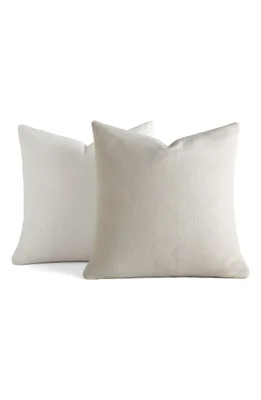
homespun
Assorted 2-Pack Accent Pillows
↓ $139.99 · store discount-50%
$69.97

Prices as of September 27, 2026, as listed by each retailer — verify the current price on the retailer's site before purchase.
Price history tracked at Bloomingdale's price tracker
AI summary · 41 reviews
A beautifully crafted, whimsical rain gauge that delights gardeners with its artistic detail and accurate measurements. A few buyers note the plastic gauge can crack or break, but this is rare given the overwhelmingly positive feedback.
Generated by AI from real customer reviews at Bloomingdale's — may miss nuance. Summarized Sep 2026.
The Praying Mantis Rain Gauge by Haw Creek Forge is a handcrafted decorative weather instrument made from copper wire and sheet metal. Standing 14 inches tall, it features a detailed praying mantis design that doubles as a functional rain gauge. Designed with a naturalistic silhouette, the piece blends artistry with utility, serving as both a garden ornament and a practical tool for measuring precipitation. Crafted in the USA, it is intended for outdoor use and requires only spot cleaning to maintain its finish.
Based on 41 reviews at Bloomingdale's
Read all 41 reviews on Bloomingdale'sAskPrice does not host review text. We aggregate the public rating from the retailer and link to the source for full reviews.
homespun
$69.97
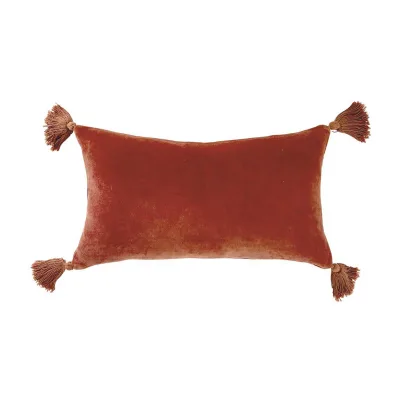
peri home
$36.99

homespun
from$74.97
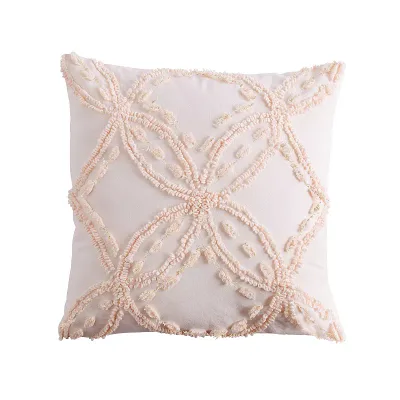
peri
$34.99
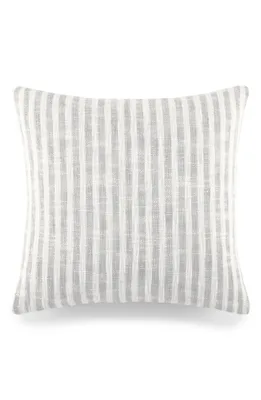
homespun
$36.97
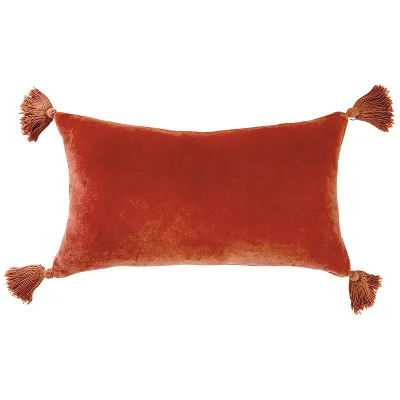
peri
$39.99
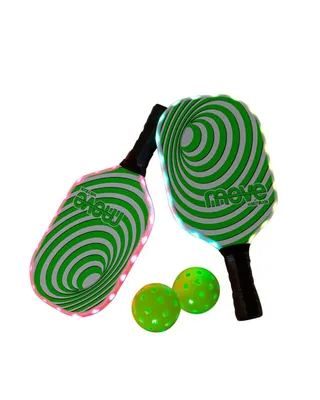
uncommon goods
$140.00
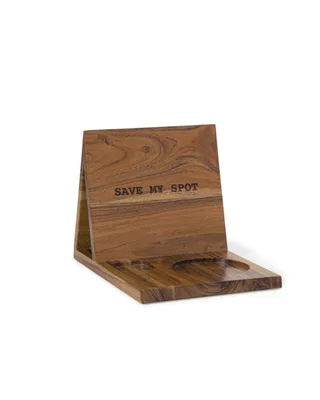
uncommon goods
$57.50

uncommon goods
$125.00
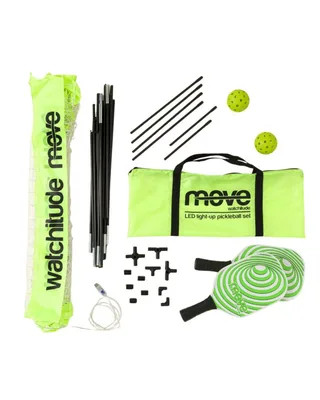
uncommon goods
$130.00

uncommon goods
$125.00
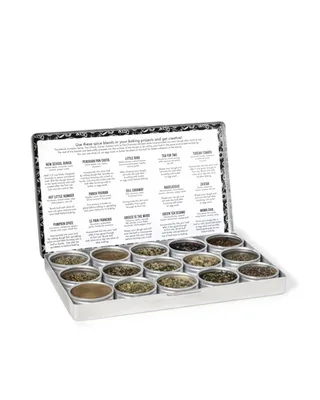
uncommon goods
$45.00